Clapton Slow Blues Rhythm Lesson

May 18, 2026 / Intermediate / Slow Blues, 8 Bar Blues 

In this lesson we’ll take a look at a rhythm pattern that many players probably overlook when playing this type of progression. This is a free excerpt from the rhythm lesson in my Play Like Clapton – From the Cradle era course.

Full Lesson, Interactive Tab, Guitar Pro, and Backing Track

Gain Instant access when you become an All Access Pass Subscriber. Learn more about All Access
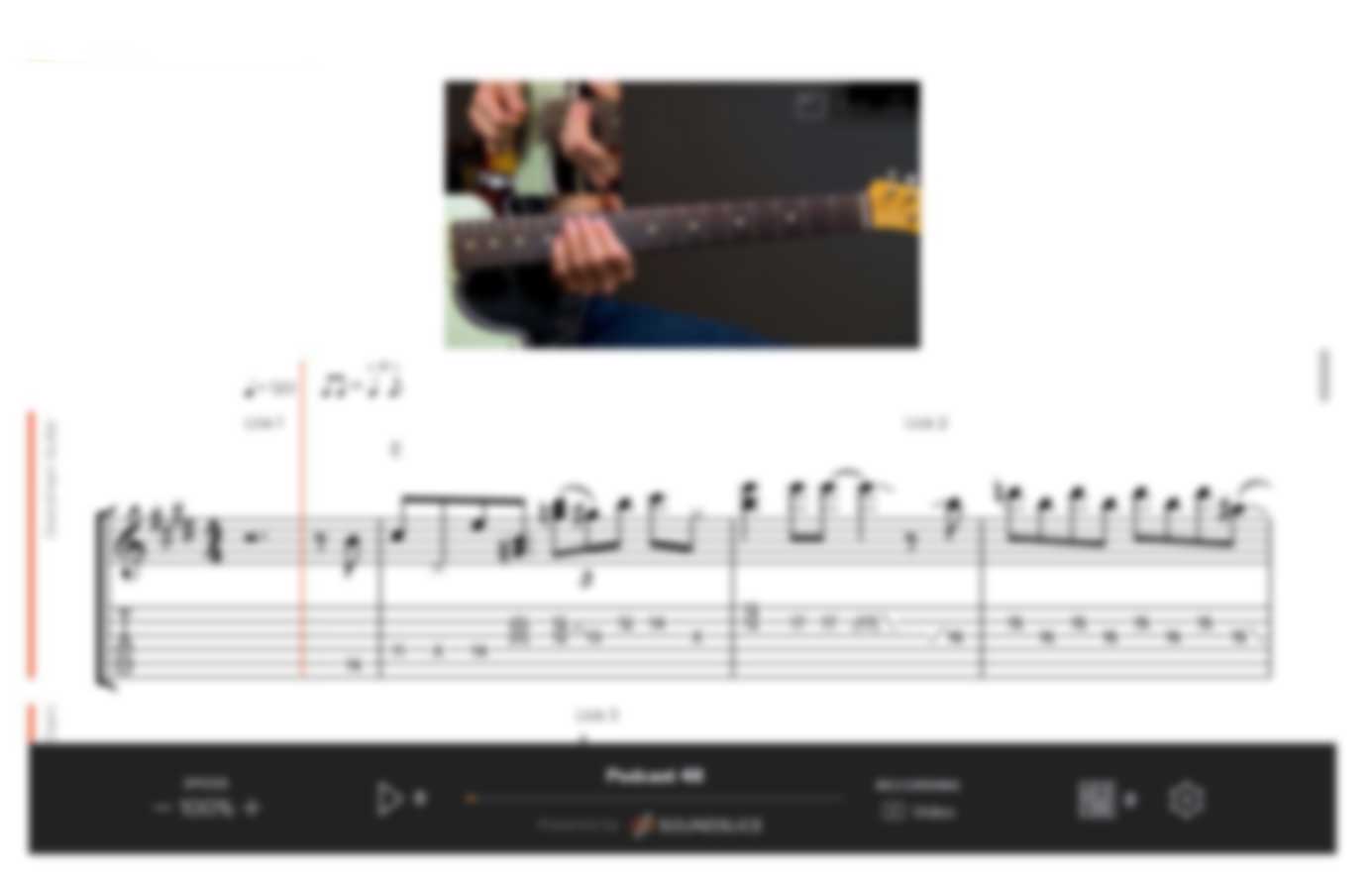
In this lesson, you will learn a rhythm pattern often overlooked by blues guitarists, using an Eric Clapton-inspired style in the key of D. The lesson covers essential techniques such as sliding into chords, incorporating diminished seventh chords, and utilizing chromatic movements alongside major and minor scales. The chord progression includes D, D7, G7, G# diminished, Bm7, and A7, emphasizing the eight-bar blues structure. This intermediate-level lesson draws on influences from artists like BB King and focuses on creating movement and space within the rhythm to enhance overall sound.

Read Full Transcript

Okay in this lesson we're going to take a look at a the rhythm part of my someday style solo Eric Clapton style From the cradle style of course that I released and in the rhythm guitar section We're just going to break down the rhythm guitar behind it It's in the key of D's eight bar blues And we'll go ahead and take a look at a portion of this lesson for free And if you want access to the full lesson the interactive tab backing track guitar Pro all that stuff check out the all access pass Also, be sure to check out my free blues guitar mini course where you get a free 45 minute blues course To show you how to start breaking out of that first position pentatonic box Click the link in the description below to get access completely free instantly right now So The chord progression is what we're going to play through is this we have a D chord Happens for the first bar D7 the next bar Now we have a G7 chord the next bar Now we have a G sharp diminished seventh chord for the next bar D for just half a bar, so We're counting this in 12 8. So you go 1 2 3 4 5 6 now B minor 7 8 9 10 11 12 B minor 2 3 4 5 6 8 7 7 8 9 10 11 12 now we're going to D 7 2 3 4 5 6 7 8 9 and then our 7 8 9 is our G Our G sharp diminished seventh again for 10 11 12 back to D 1 2 3 4 5 6 A 7 7 8 9 10 11 12 so that's the chord progression that we're dealing with And you basically got your one chord Then we go through our four chord and then we got that Diminished seventh chord is basically a passing chord as what normally they associate with it since it's not any In the order of diatonic chords in the key of D. So then we're going to our one And then a common chord progression our B minor That is our six our minor chord now. We're going to our two our minor two chord e minor Then our five chord a seven And then the turnaround section is our D and it's kind of something pretty cool happens is your four To the G sharp diminished seventh chord Back to our one to five So that's basically the theoretical breakdown of the chords the chord progression and what we're dealing with.

So now let's go ahead and Dissect, you know what i'm playing over the rhythm and I think it's got some pretty interesting things going on that I Picked up a little bit of it from the andy fairway where they're low clapton's rhythm guitar player During the from the cradle era and he's got some really cool parts that are pretty sparse sounding A lot of space and it just helps the tune have a lot of movement and also helps the solo sound much better So for the first section we're doing this Um Okay, so that's the first section we're going to talk about the first two bars And once again, we're playing that over the one chord the d chord and then the d seven So what i'm just doing here is basically taking this d ninth chord looks like this This And i'm only going to play a piece of that with my first finger so I can slide it It's a really cool little part here sounds great over any slow blues You know, you can use these pieces over any slow blues. It doesn't have to be always be over an eight bar blues You know, you have a d7 that's going to occur and you know, every slow blues basically that's a dominant seventh bass And so what we're going to do we'll go over this real quick is we're going to first of all We're just going to rest for the one two, three four and on the fifth count We're going to play this slide in with your first finger So we're going to bar with our first finger fifth fret the gb and d gb and e strings And then i'm going to add my pinky here to the tenth fret That's a d note the key we're in You're basically taking this ninth chord And this is basically a d6 chord so you got you know d major here But you also got this note D6 chord so it's basically just sliding into that Kind of more of an uptown chicago sound I think you know, you're bb king a lot with that type of a tone So we've got that what we're doing first once again rest in the first four counts we slide And then i'm gonna strike a upstroke on that 12th count Let this ring out And then on the next section we're gonna rest on the one two and then on the third count we're gonna play this So It's a super cool move I think so What we're doing here is sliding into our seventh fret of our d string I'm using my second finger to pluck it the higher string which is on the b seventh fret of the b string And then you just move backwards to get seven Now six on both the d and the b strings That same little pattern now we're going to switch patterns now four and three on our d and b strings And just slide that chromatically as well four three two on our d string Now we're going to play this d shape but it's up a string on our second third and second fret of our d g b strings And i'm using my fingers to do that as well Slide it in like this That's basically a g Or you could basically a f sharp Seventh chord taken from this shape. It's just a three note chord here And sliding into our g7 here that chord is basically got our flat seven on the bass Major third in our fifth interval And slide it here so super cool sound there over our d chord and This is coming from basically if you look at this It's like this chord d7 And this is using six intervals and i'll talk more about how to understand where they come from in blues guitar method, too Not only can you use these for like lead playing you can use it for rhythm playing, you know A lot of country you're here does that kind of stuff Heard that a ton of times i'm sure and it also sounds like this You know red house thing that's that same type of thing except here it's just on different strings Wait, that's basically where that comes from and why he's playing that That's just a chromatic move this is our fifth interval in our major third We're just walking down the scale and adding chromatic move So this is a blues scale if you want to think about it like that We have our major scale looks like this So we added the blues scale to that So we took this note of the Major scale here and we're just following that pattern with the major scale all the way across So we're going to change that to mix a lydian mode since we're playing over dominant seventh chord What we're playing over Now we're going to add six intervals based on that Bass note here, so we're going to have the blues scale to it or you can think about its chromatic move Once again note to the major scale here together six intervals now. Here's our major third Now another chromatic move or you could think about it as the major blues scale So if you have major pentatonic You hear that in blues and country all the time That's what we're doing here So if you take a look at the bass part of that you see you got like root second Here's our minor third, which is you can think about as a major blues scale All that it's just basically almost a chromatic But if you think about it as a different blues scales from the minor And the major Pentatonic starts looking a little bit different to me instead of just thinking okay.

That's just all the notes wrote. I like to understand What's happening a little bit as far as the chord tones and intervals that are involved? So super cool part right there. That's theoretically, you know where it is coming from All right, well that does it for this lesson Like I mentioned previously if you would like access access to the full lesson Interactive tab backing track all that stuff.

Check out the all access pass. All right. Thanks for watching and i'll see you next time

Breaking Out of the Box FREE Course

Learn how to open up the entire fretboard in this FREE Blues Course
Join for Free

All Access Pass

Step by Step Lessons to help improve your blues playing.
Join Today