In this free lesson, you’ll learn the first four licks from my Blues Method Supplement Course where you will learn a complete 36 bar Slow Blues Solo and 10 Beginnner Slow Blues Licks. This lesson is in the key of A.
Learning to Solo over a 12 Bar Blues
Category: Free Blues Guitar Lessons
May 3, 2019 / Level: Beginner / Style: Slow Blues / Key of A
Full Lesson, Interactive Tab, Guitar Pro, and Backing Track
Gain Instant access when you become an All Access Pass Subscriber. Learn more about All Access

Read Full Transcript
All right, in this lesson, I'm going to show you how to play the solo that we're going to learn in this course. This solo is in the key of A. It's a 12-bar blues. We're utilizing the A, the D, and the E chords.
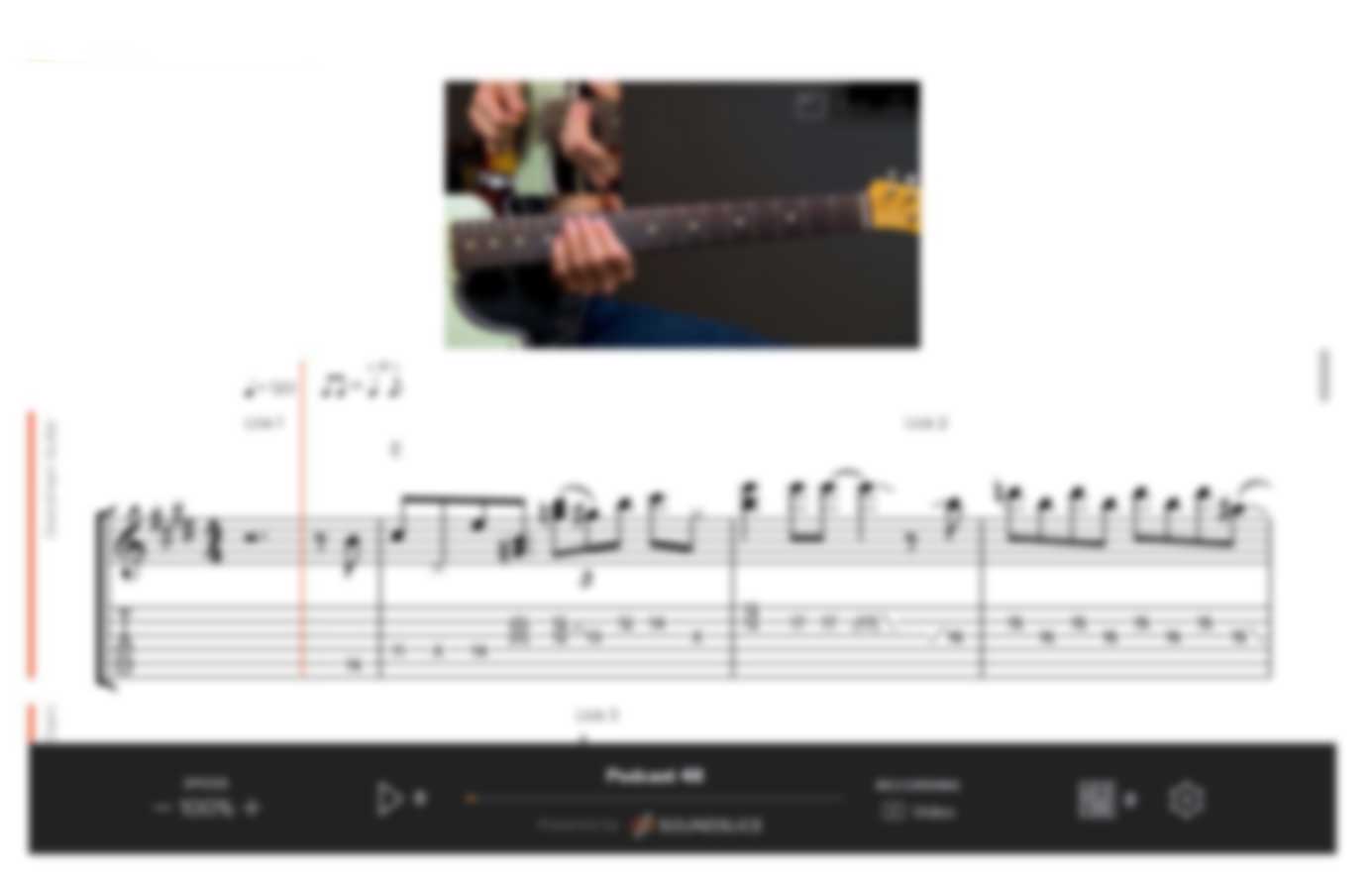
That's the one, the four, and the five. It's a 12-bar blues. So I'm going to go ahead and play the solo for you, and then I'll dissect it in different licks to show you how to play it. Okay, let's go ahead and start out with lick number one.
So that's lick number one, a really pretty simple little lick there, highly effective no matter what level you are as a blues guitar player. So you must get this down. It's also the intro lick, and it's happening before the band kicks in. So we're going to start this on the ninth count, 12, eight blues, count one, two, three, four, five, six, seven, eight, nine, and then on nine, hit the seventh fret of the D string here.
And this is utilizing the first position minor pentatonic scale, but we're adding the major third to it, the sixth fret here on the G string, and we're adding that sixth interval here, the seventh fret on the B string. So pretty much just blending major pentatonic and minor pentatonic. Those two notes here, six on the G and seven on the B, taking from the major pentatonic scale. So that's just a little easy way to blend my minor in a major here using this lick.
Starts on the seventh fret, like I said, and then we're hammering on that minor third, the major third, that's key to know everywhere all across the fretboard, like we talked about in a previous lesson. It's five to six on the G, then five, seven on the B, five, the fifth fret on the high E string. In that, you just got to understand that's your root note here, fifth fret. But in this little lick, we're taking the fifth fret and then jumping to 10th fret on the B string.
Same note, A, that's a root note, A. So we're utilizing the, essentially just jumping up to the 10th fret of the B string, and that could also put us in position to play licks from the second position minor pentatonic scale. So lick number one is this again. Pretty basic lick, key things to take note of.
We're blending the major in the minor pentatonic scales, and we're also hitting that A right here, the root note, and jumping to 10, the same note, and that gives us, we can start playing licks from the second position minor pentatonic scale when we do something like that. So that is it for lick number one. Okay, lick number two sounds like this. So that is lick number two, a classic blues lick.
Not many notes happening in this lick, but it's just a must know if you want to play blues guitar. This is Albert King style lick. I'm starting with a rake and bending up the 10th fret of the high E string twice, but only striking it once. Pulling down, then bending it back up, so you got, and that is going to be played over the D chord, that's the four chord in the 12 bar blues.
So we got rest. Then on the 10th count, we're going to strike that 10th fret on the high E string again and let it ring out for three counts, that's 10, 11, 12, and then right when the one chord comes back in, the A chord, we're going to do this lick. And you can do that a couple of different ways. Sometimes I like to use my finger to pop that eight on the high E string and then strike 10 right here with the pick, or if you just do pick, I like to do upstroke, downstroke if you're going to do it with the pick.
It's two different sounds. I will learn how to do it both ways. So you got on the 10th count, hit it one, two, three, then vibrato. I like to start with the up, down, up, down, up, down on this type of vibrato.
So lick two one more time is this. Okay, so that is lick number two. Okay, lick number three sounds like this. Okay, so that is lick number three and lick number three, utilizing the first position minor pentatonic scale.
We're resting for three counts. We've previously done this lick, four, five, six, seven, eight, nine, 10, 11, 12, one, two, three. On the fourth count of the next bar is when we start this lick. We're going to bend that eighth fret on the high E string up and then go down the minor pentatonic scale, five, eight, five, seven fret on the G string.
So you have like, and then you bend that fifth fret just slightly on the G string, almost to the major third, but not quite. It's kind of that in between the major third and the minor third, that in between sound is a cool sound for playing blues guitar. So once again, lick three, and then we rest a beat and then we're going to go seven, five. Now the four chord is coming in right here, the D seven chord, and we bend up the seventh fret, a full bend to the ninth fret sound.
Let it ring out for three counts, one, two, three. Now bending up again, pull it down, release to five, and then hit seventh fret. That is the D note, which why it sounds great. That's why I ended on it, because over the D seven chord, great to end on a D note.
Apply vibrato. I'm doing an Eric Clapton vibrato here. So lick three one more time is this. Okay, so that's it for lick number three.
Okay, lick number four sounds like this. So that is lick number four. We're still on the four chord, the D seven chord. We're going to rest three counts.
We've hit the next bar, so we got one, two, three. Doing this little move here, so you place your third finger on the eighth fret of the B string, and this is all taken from the first position minor pentatonic scale. And we don't play on our fingertip on the B string of the eighth fret, right here on the B string. We play on the meat so we can roll down.
And that's the blues note here, the flat five interval taken from the blues scale, adding that to the minor pentatonic. It's a really cool move here, so you hit eight on the B, roll it down on your tip to hit it on the G string, slide backwards to the seventh fret of the G string and pull off to the fifth fret of the G string. That's a really cool blues move to get down. Now seven, five here on the D and the G, then you do this, just pull off here real quick on the seven to five on the D string.
So slowly. So it's really important that you nail that lick, just getting that part down. We use all the time in blues, you're here with Stevie Ray Vaughan doing stuff like this. So I just added the Chuck Berry move to it, and then put this lick into it, even on Texas Flood, you're here with Stevie Ray Vaughan doing that a lot.
But we're just going to keep it slow right now. So you've got to master that lick, and let's go to the next step, where we're actually doing the Chuck Berry thing in the next part of lick number four, bending the seventh fret of the G string, then you've got fifth fret with your first finger bar, I like to get it down, up, down with that little five, fifth fret on the B, then the high E, then the B. Now pull off eight to five with the B string, third finger, you can also use your pinky if you want to. Now slide seven to eight, utilizing the blues scale again, come back and hit it, seven five, that's the root note here, seventh fret of the D string, and then I'm going to bar the fifth fret of my first finger and strike the G and the B strings to give us that minor third, major third sound, I'm going to hit these two strings and then end on the root note, that's the A note, seventh fret of the D string.
You can also move right there, that the second part of lick four, sounds great to hear those two notes ring and then hammer that minor third, the major third, it's an excellent blues lick to get down. Once again, lick four completely is this. And that's it for lick number four.
Breaking Out of the Box
Learn how to open up the entire fretboard in this FREE Blues Course
Join for FreeAll Access Pass
Structured Step by Step Training, Advice, and the Support you need to improve your blues playing.
Join Now